Engaging Beginning Programmers with Visual Problem Solving
- How do we hook students from day one on programming?
- How can programming intersect with art, music, and fashion?
- What are the connections to the Ontario Computer Studies curriculum?
Shared by Russell Gordon (@rgordon)
Teacher, Lakefield College School
CEMC Summer Institute for Computer Studies Educators — Thursday, August 16, 2018
Outline for Today's Session
- Observe and decompose visual problems
- Take a step back
- Implement solutions
- Refine solutions
- Discuss curricular connections
- Make original art
- Share our creations
- Additional resources
Contents
Decomposing Visual Problems
Image 1: Blur, October 16, 1993

and I think about leaving the house."
Assume that you know how to draw text, shapes (like rectangles on screen), can change colours, et cetera.
In fact, for now, forget about implementation details.
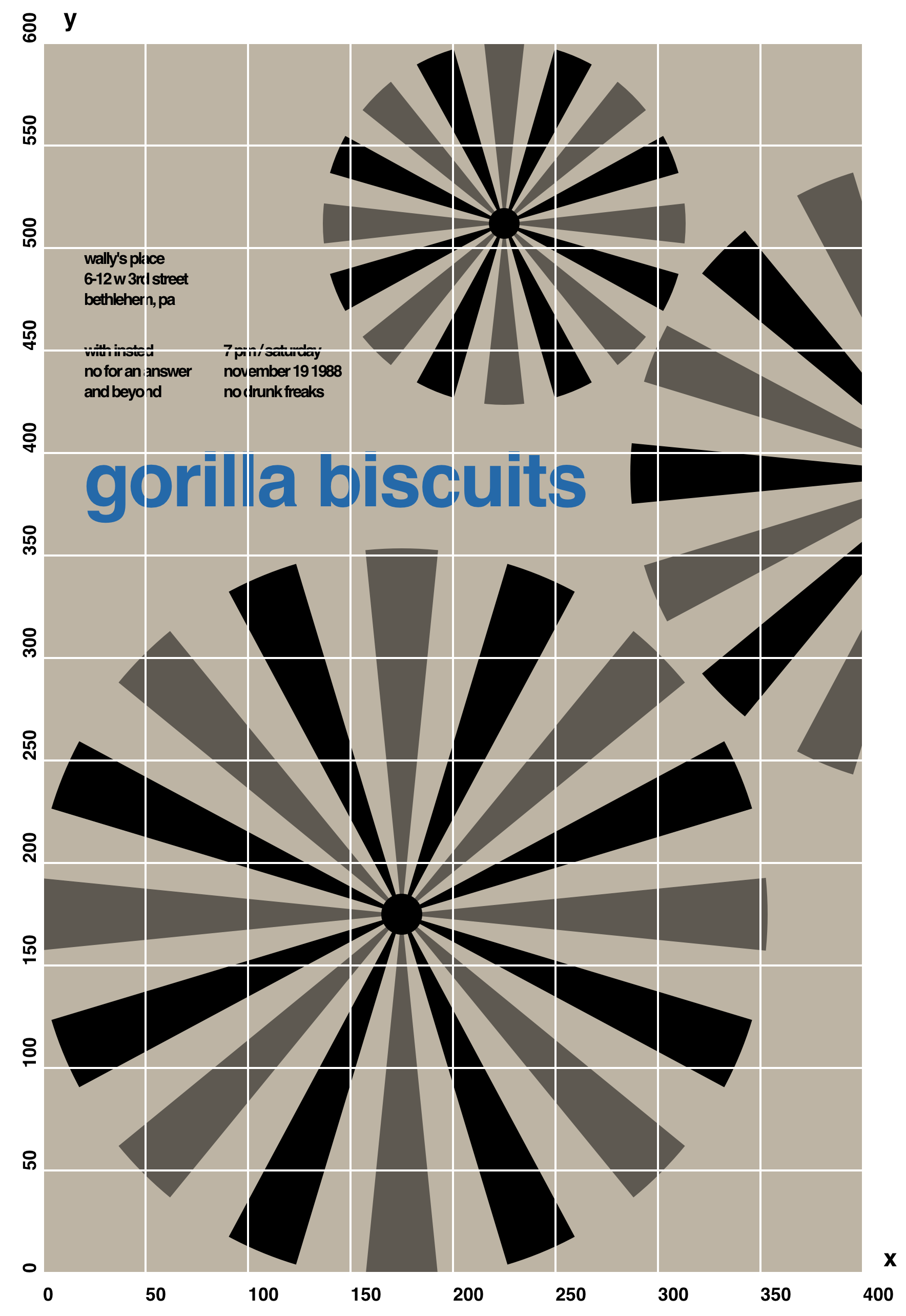
Let's operate on the following assumptions. This gig poster is:
- 400 pixels wide
- 600 pixels tall
- the origin is in the bottom left corner with the x and y axes counting left and up
(in other words, it's a standard Cartesian plane, like math class)
Make a plan for how to produce this image.
First think individually (1 minute), then discuss with your neighbour (2 minutes), then we'll discuss as a group.
Decomposition Notes
- Lorem ipsum...
Image 2: The Pixies, December 13, 1986
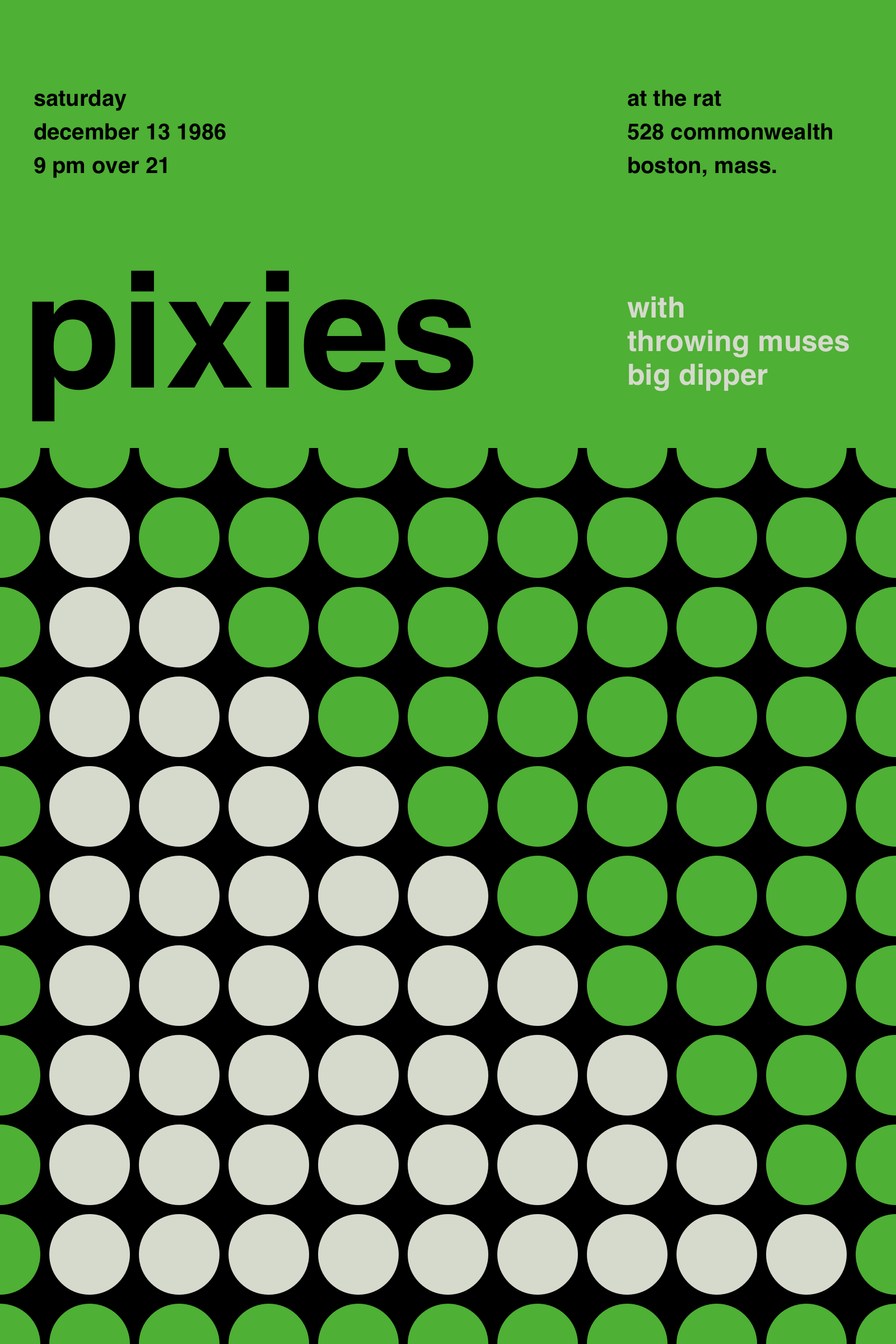
What programming structures would be required to reproduce this image?
Make a plan for how to create this image.
Again, let's think individually first, then pair, then share.
Decomposition Notes
- Lorem ipsum...
Image 3: Gorilla Biscuits, December 13, 1986
When things are getting better / Don't stop, don't say enough
What you achieve / That's for you to choose
You can always / Regain what you lose "
Here is one last image, more challenging.
Make a plan for how to create this image.
Think, pair, share.
Decomposition Notes
- Lorem ipsum...
Taking a Step Back
Important note: the original gig poster designs are by Mike Joyce at Swissted.
I must give credit for the idea of reproducing gig posters to Greg Seale.
Sometimes the best PD comes from walking to Bathurst Street to get a coffee with your colleague!
We started at the end of my Grade 10 Intro to Computer Studies course.
The gig poster images we looked at were exam prep (Blur and The Pixies) and part of the exam itself (Gorilla Biscuits).
How might you start using images to develop student understanding of core programming stuctures and concepts?
Here's a possible progression...
| Concept(s) | Image |
|---|---|
| sequence |  |
| sequence | 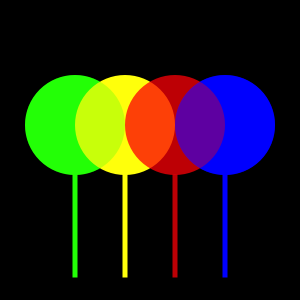 |
| iteration |  |
| iteration | 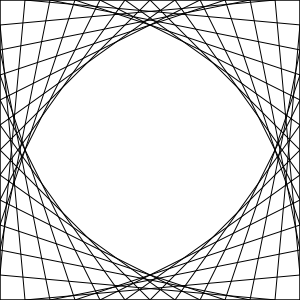 |
| iterationconditionals | 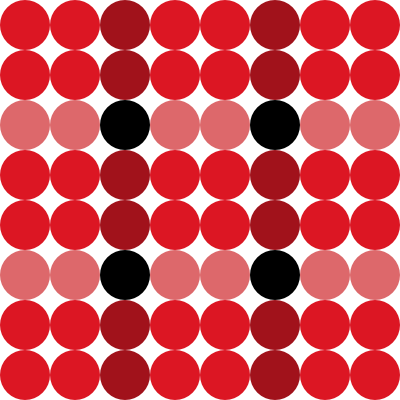 |
Implement Solutions
Now that we've had a chance to discuss plans for how to reproduce both simple and not-so-simple images, try your hand at implementation in the language your choice.
Immediate Language Options for Graphics
In 2018 we are fortunate, as teachers, to have so many capable programming languages at our disposal that make the production of basic graphics approachable for high-school students.
The following represents suggestions for how to produce graphics in three popular languages. There are no doubt more; I encourage you to work in the language that you use with your students.
Python
Use graphics.py with Python 3.x.
Swift
Use a library that I've developed (works with Swift 4.x and Xcode 9.2.x).
Java / Processing
Use Processing, which is built on top of Java. Students can write code that uses Processing functions to generate graphics and, as needed, use regular Java classes and frameworks.
Refine Solutions
Now that we've tried our hand at implementation, what improvements in algorithms did you develop, as compared to your initial plans?
Refinement Notes
- Lorem ipsum...
Discuss Curricular Connections
Now that we've discussed the decomposition of some visual problems, tried our hand at implementation, and discussed algorithm refinements... what connections do you see to the Ontario Computer Studies curriculum? Where could you imagine using visual problem solving in your courses?
Curricular Connection Notes
- Lorem ipsum...
Make Original Art
Could you imagine asking students to create original art with graphics and programming?
To draw in a broad cross-section of students, could we find inspiration from interior decorating?
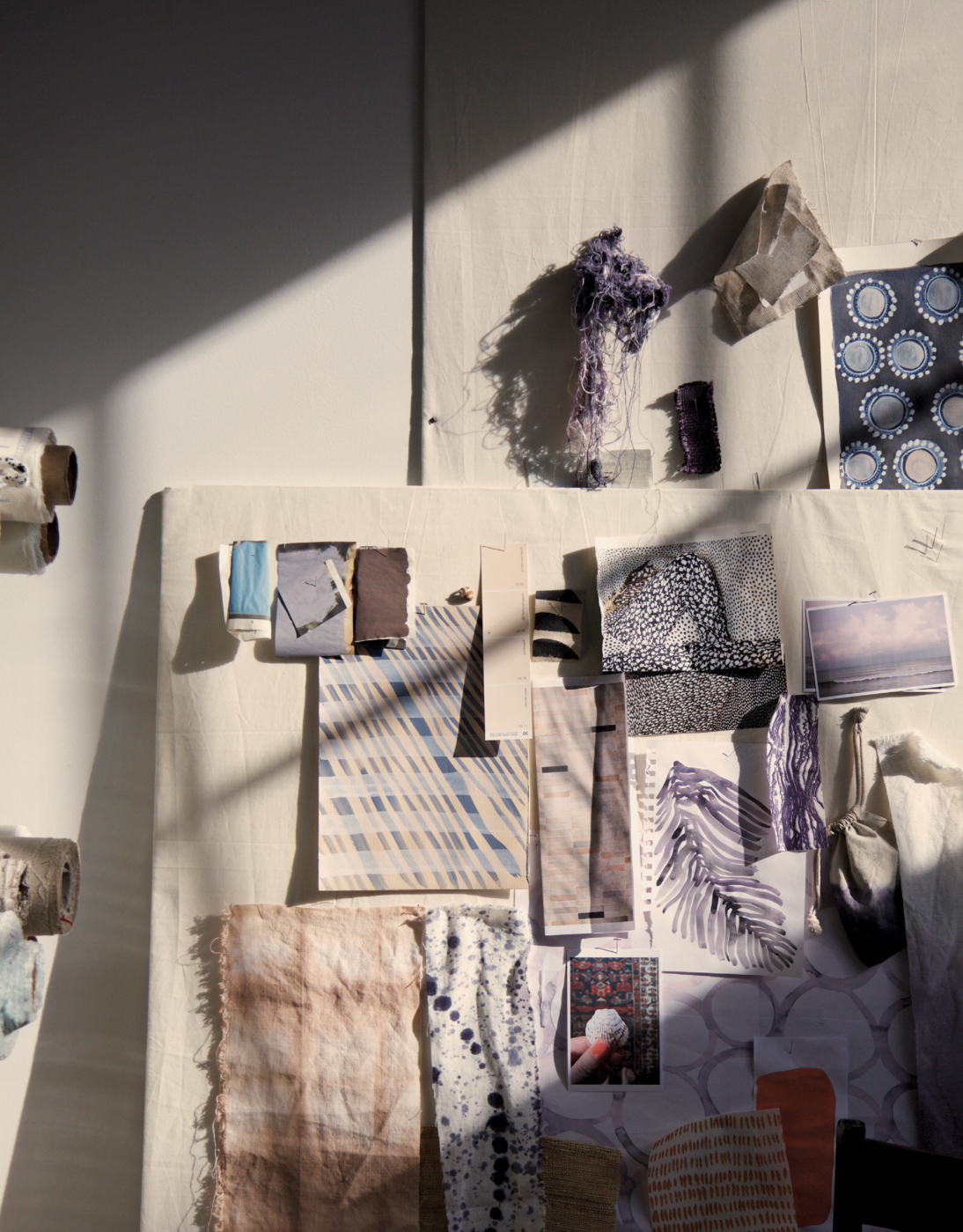
Screen shot from Living with Pattern, by Rebecca Atwood.
Hollywood?
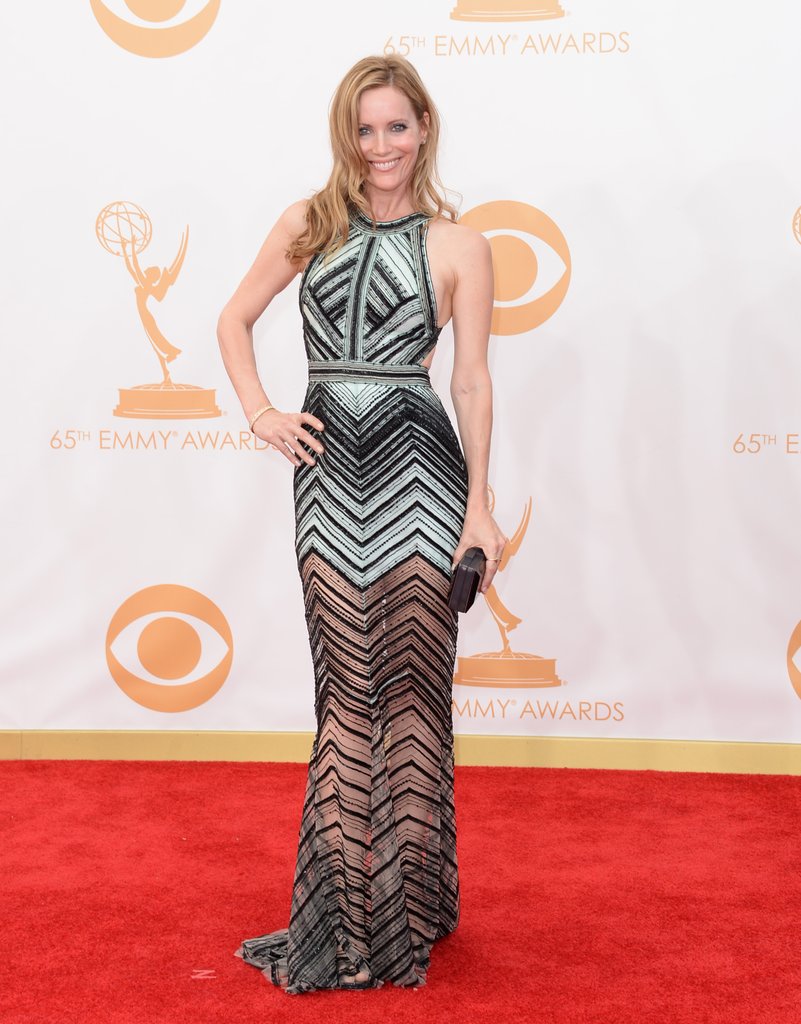
Fashion?

Dress pattern from Zaful, an online fashion apparel retailer.
Share Our Creations
What did you come up with? Do you care to share now with the group?
Additional Resources
Earlier I mentioned that some of these images were used in the final exam for my Grade 10 Intro to Computer Studies coures.
Here is the planning sheet template I'd encouraged students to use before coding (PDF / Pages / Word). Here is a completed exemplar.
Here is the rubric I developed for the final exam (PDF / Pages / Word).